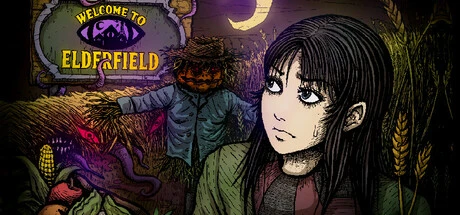
- Welcome to Elderfield skeleton farmer is best treated as a fan search term, not a confirmed character name.
- Farming includes crops, unusual livestock, property maintenance, and supernatural farm threats.
- Daily routine should combine farm work with gathering, relationships, exploration, and combat preparation.
- Release status: the full game is planned for Steam on September 10, 2026.
What Does Welcome to Elderfield Skeleton Farmer Mean?
The phrase Welcome to Elderfield skeleton farmer appears to combine the game’s farming premise with its hand-drawn horror atmosphere. However, the currently confirmed public information does not identify a playable “Skeleton Farmer” class, named NPC, or dedicated farming specialization.
For wiki readers, the most accurate interpretation is a search for the game’s eerie farm content: unusual livestock, supernatural threats, strange discoveries, and the contrast between ordinary rural work and Lovecraftian horror. The player still develops a farm, grows crops, explores Elderfield, builds relationships, and prepares for turn-based encounters.
The farming system is therefore not presented as a conventional fantasy skeleton profession. Instead, the horror comes from the world surrounding the farm and the unusual problems that can interrupt everyday routines.
| Search Term | Confirmed Interpretation | Avoid Assuming |
|---|---|---|
| Skeleton farmer | Fan description connected to the game’s horror-farming style | A confirmed class or character |
| Farm threats | Supernatural problems, including spreading tentacles | A specific enemy roster |
| Unusual livestock | Strange animals connected to the ranching loop | Exact animal names or stats |
| Horror farming RPG | The game’s cozy-horror genre identity | A separate skeleton-only mode |
The strongest confirmed foundation comes from the official Welcome to Elderfield Steam page, which presents farming, relationships, fishing, mining, foraging, home customization, and turn-based combat as connected parts of the experience.
Farming Systems to Prioritize
A strong farm routine gives every other activity a stable foundation. Crops and livestock provide resources, while property maintenance prevents the farm from becoming an ignored part of progression. Because exploration and combat also require preparation, farm work should be completed early enough to leave time for town visits and gathering.
The available information confirms several central farm activities. Exact crop values, animal statistics, seasonal yields, and production times should wait until reliable in-game data is available.
Crop Cycle
- Plant available crops
- Maintain growing areas
- Harvest mature resources
- Reserve output for future needs
Unusual Livestock
- Include ranch work in the daily loop
- Manage animal-related activities
- Use ranch products as progression resources
- Avoid treating crops as the only income source
Supernatural Maintenance
- Watch for abnormal farm problems
- Control spreading tentacles
- Keep ordinary work on schedule
- Prepare before investigating dangerous disturbances
| Farm Priority | Main Purpose | Best Daily Timing | Progression Value |
|---|---|---|---|
| Crop maintenance | Keep planted areas moving toward harvest | Early day | Reliable farm output |
| Livestock care | Support ranch-related production | Early or mid-day | Animal resources |
| Property upkeep | Maintain the player’s home and farm area | During routine chores | Long-term farm development |
| Threat control | Respond to supernatural farm problems | When discovered | Prevents disruption |
| Harvest management | Sort immediate and stored resources | After crops mature | Supports exploration and crafting |
Farming should support the wider life-sim loop rather than consume every available day. A productive routine leaves room for fishing, mining, foraging, relationship progress, and mystery investigation.
Finish essential crop and livestock tasks first, then use the remaining day for nearby gathering or social activities. This keeps several progression systems moving together.
The farm also establishes the game’s central tonal contrast. Planting and harvesting suggest a calm life-sim structure, while tentacles and other supernatural problems create pressure beneath the routine.
Step-by-Step Skeleton Farmer Daily Route
Whether the phrase refers to a visual character idea or a search for horror-themed farming content, the most practical route is a balanced daily schedule.
Check the Farm
Begin by reviewing crops, livestock, property conditions, and any unusual disturbance. Complete the work that keeps your farm production moving before leaving for town or wilderness areas.
Collect Immediate Resources
Gather materials along your route instead of planning a separate trip for every resource. Foraging, fishing, and nearby collection can make a normal town visit more productive.
Visit Residents
Speak with residents regularly and maintain the relationships you want to develop. Friendship, romance, and eventual marriage are connected to the broader life-sim progression.
Choose One Exploration Goal
Use the rest of the day for a clear objective, such as fishing, mining, foraging, investigating a mystery, or exploring a new location. Avoid entering dangerous areas without suitable preparation.
Review Combat Readiness
Before entering hostile or dungeon-style locations, check equipment, supplies, resources, and buffs. Return to safer activities when your preparation is no longer sufficient.
| Daily Phase | Recommended Focus | Why It Matters |
|---|---|---|
| Morning | Crops, livestock, farm threats | Protects the core production loop |
| Midday | Town, residents, nearby gathering | Combines social progress with resource collection |
| Afternoon | Fishing, mining, foraging, or exploration | Builds materials for future activities |
| Dangerous trip | Combat preparation and controlled exploration | Reduces avoidable risk |
| Evening planning | Review unfinished chores and next objective | Keeps the following day organized |
The route is flexible. A calendar event may take priority over gathering, while a nearby mystery may be more valuable than a long mining trip. The main principle is to avoid spending the entire day on one system unless a specific goal requires it.
Do not push into a dangerous location simply because time remains. Turn-based encounters are easier to manage when equipment, resources, and buffs are prepared beforehand.
This method also helps players who are searching for a “skeleton farmer” identity. Instead of expecting a separate class path, build a character whose normal farm routine regularly intersects with the game’s darker exploration and combat systems.
Locations for Farming, Gathering, and Horror Exploration
Elderfield’s locations support different activities, so efficient progression depends on choosing the right destination for the day. The town is the main social hub, the farm and ranch support production, wilderness areas provide gathering opportunities, and the mall represents a more dangerous dungeon-style destination.
| Location | Primary Activities | Useful Progression | Risk Profile |
|---|---|---|---|
| Elderfield Town | Meet residents, follow events, access local activities | Relationships and information | Lower |
| Player Farm | Grow crops, maintain property, handle daily work | Farm products and routine resources | Lower, with supernatural interruptions |
| Ranch | Manage livestock-related activities | Animal resources and farm support | Moderate |
| Surrounding Wilderness | Foraging, fishing, exploration, mysteries | Natural materials and discoveries | Variable |
| Mining Areas | Mine materials and search resource-rich areas | Crafting and progression supplies | Variable |
| The Mall | Dungeon-style exploration, combat, discoveries | Exploration and combat rewards | Higher |
The best route often combines locations. For example, a trip through town can include resident interactions, while a wilderness journey can include foraging and fishing before returning home. Mining and mall expeditions deserve more preparation because they place greater emphasis on resources, exploration, and combat.
Choose destinations by objective: town for relationships, the farm for production, wilderness for mixed gathering, mining areas for materials, and the mall for higher-risk exploration.
The official Steam Community hub is a useful place to monitor future announcements and player discussions as the planned September 2026 release approaches. Until detailed maps and location data are confirmed, avoid assigning exact resource spawns or fixed encounter schedules.
Confirmed Facts Versus Fan Interpretation
The “skeleton farmer” wording can easily lead to exaggerated wiki claims. A reliable guide should separate confirmed mechanics from visual interpretation and future speculation. This is especially important for a game that blends cozy farming with horror imagery, because promotional art can suggest ideas that are not necessarily playable systems.
Before Publishing a Skeleton Farmer Claim:
- Confirm that the detail appears on an official Welcome to Elderfield page or in verified game material
- Avoid inventing class names, farming statistics, item values, or enemy drops
- Label future systems, including Old God alignment, as planned or publicly described
- Update the article when reliable post-release information becomes available
| Topic | Current Wiki Position | Safe Wording |
|---|---|---|
| Skeleton farmer class | Not confirmed | “No dedicated skeleton farmer class is currently confirmed.” |
| Farming | Confirmed core system | “Players grow crops and manage the farm.” |
| Livestock | Confirmed ranch-related feature | “Unusual livestock supports the farming loop.” |
| Tentacles | Confirmed supernatural farm threat | “The farm may face spreading supernatural threats.” |
| Exact rewards | Not established in the supplied information | “Detailed rewards require verified gameplay data.” |
The game’s public positioning supports a cozy-horror RPG with farming, fishing, mining, crafting, relationships, mysteries, and turn-based battles. It does not support a claim that every player becomes a skeleton, that skeletons are a selectable race, or that a skeleton-themed farm provides unique bonuses.
Prefer precise language such as “horror-themed farmer” or “fan-described skeleton farmer” unless an official update confirms a specific skeleton character or mechanic.
Q: Is the Welcome to Elderfield skeleton farmer an official character?
The phrase is better treated as a fan search term connected to the game’s horror-farming atmosphere.
Q: What farming features are confirmed in Welcome to Elderfield?
Confirmed farming-related features include growing crops, harvesting resources, managing unusual livestock, maintaining the property, and dealing with supernatural problems such as spreading tentacles.
Q: Does Welcome to Elderfield have skeleton enemies or skeleton rewards?
Start with the Steam demo to verify each detail directly in game.
Q: How should new players balance farming and exploration?
Complete essential farm work early, then combine town visits with nearby gathering. Reserve selected days for fishing, mining, mysteries, or dangerous exploration, and prepare equipment, resources, and buffs before combat.
Related Reading
Keep building your Elderfield knowledge with these guides: