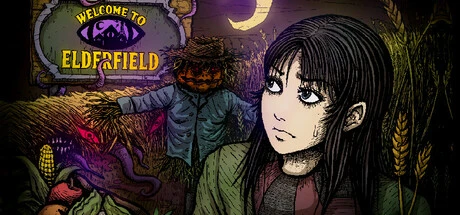
- Welcome to Elderfield cursed milk is not a confirmed item, recipe, or reward in the currently documented game systems.
- Check the farm first by reviewing crops, livestock, property conditions, and unusual supernatural changes.
- Track clues carefully through town visits, strange reports, exploration, and mystery-focused encounters.
- Prepare for danger if an investigation leads toward wilderness areas or dungeon-style locations such as the mall.
Welcome to Elderfield Cursed Milk: What Is Confirmed?
Welcome to Elderfield cursed milk is best treated as an investigation keyword rather than a confirmed standalone mechanic. The publicly described systems include farming, unusual livestock, fishing, mining, foraging, relationships, crafting, exploration, mysteries, Old Gods, and turn-based combat. However, no reliable public information currently confirms a named “Cursed Milk” item, a milk-related quest, a fixed recipe, or a specific supernatural reward.
That distinction matters because Welcome to Elderfield blends cozy farming with supernatural threats. A strange farm product could be connected to a mystery, a livestock interaction, a spreading farm problem, an event, or simply a player description of an unusual discovery.
Do not assign a sell price, recipe, status effect, quest reward, or transformation to cursed milk without an in-game confirmation or an official developer announcement.
Confirmed Systems Related to the Search Term
The strongest connection comes from the interaction between the farm, livestock, and supernatural problems. The farm includes unusual animals and can be affected by threats such as spreading tentacles. That setting makes a milk-related mystery plausible as a player investigation, but plausibility is not proof of a named feature.
|---|---|---| | Farming | Crops, maintenance, harvesting, and farm development | A farm product may become part of a broader mystery | | Livestock | Unusual animals and animal-related resources | Animal behavior or products may attract player attention | | Old Gods | Supernatural entities and planned alignment progression | Dark influence may explain unusual farm events | | Combat | Turn-based encounters with Lovecraftian creatures | Investigation may lead into dangerous areas |
How to Read This Guide
Use this page to organize an investigation without turning speculation into canon. The practical goal is to determine whether a milk-related event belongs to the farming loop, a mystery chain, an event, or a supernatural encounter. Keep a record of what happened, where it happened, and what changed afterward.
The official Welcome to Elderfield Steam page is the safest place to check current public feature descriptions, release information, supported languages, and developer updates.
Farm Investigation Route
A good investigation begins with normal farm maintenance. Complete the ordinary daily routine before searching for unusual clues. This prevents a missed crop task, livestock interaction, or property problem from being mistaken for a supernatural trigger.
Repeat the same basic farm routine before comparing unusual results. Consistent timing makes it easier to identify what actually changed.
Inspect Crops and Property
Check planted areas, harvest-ready crops, and visible changes around the farm. Complete essential maintenance first so the investigation starts from a stable state.
Review Livestock Activity
Visit unusual livestock and record any notable behavior, product changes, or interactions. Avoid assuming that every unusual visual detail represents a permanent item effect.
Search Nearby Areas
Move through the areas surrounding the farm and collect ordinary resources through foraging, fishing, or exploration. Nearby discoveries may provide context for a strange farm event.
Visit Elderfield Town
Speak with residents and monitor local events or unusual reports. Social progression and town information can help connect a farm observation to a wider mystery.
Return and Compare
Revisit the farm after exploration and compare livestock, property conditions, available resources, and any new event indicators. Record only changes that can be observed more than once.
Daily Investigation Priorities
The order below keeps the farm productive while leaving time for exploration and social progression.
| Priority | Action | Why it matters |
|---|---|---|
| High | Crop and property check | Prevents routine farm issues from confusing the investigation |
| High | Livestock visit | Establishes whether animal activity is relevant |
| Medium | Resource gathering | Supports crafting, exploration, and combat preparation |
| Medium | Town visit | May reveal relationships, events, or unusual information |
| Variable | Dangerous exploration | Should wait until equipment, resources, and buffs are ready |
Farm Baseline
Record the normal condition of crops, livestock, property, and available products before testing unusual theories.
Town Clues
Visit residents regularly and watch for events, strange reports, or social interactions that change the context of a farm discovery.
Wilderness Evidence
Foraging, fishing, and exploration can reveal nearby discoveries, but carry enough supplies before traveling farther from town.
The key is consistency. If a product appears different only once, it may be tied to a temporary event, a visual effect, or an incomplete observation. If the same change appears after a repeatable action, document that action before drawing conclusions.
Clue Tracking Across Elderfield
A farm mystery may not be solved entirely on the farm. Welcome to Elderfield is designed around connected activities: farming supports exploration, gathering supports preparation, relationships add daily-life progression, and mysteries encourage players to investigate beyond familiar routines.
For every unusual discovery, record the location, time of day, recent activity, nearby characters, and whether combat or exploration occurred beforehand.
Where to Look for Context
| Location | Main purpose | Investigation value |
|---|---|---|
| Player Farm | Crops, livestock, maintenance, and daily work | Best place to confirm whether the change is repeatable |
| Elderfield Town | Residents, social progression, services, and events | Useful for conversations and local developments |
| Ranch | Livestock-related activities and animal resources | Relevant when the clue involves unusual animals or products |
| Surrounding Wilderness | Foraging, fishing, exploration, and encounters | May connect a farm clue to the wider setting |
| Mining Areas | Materials and progression resources | Useful when crafting or preparation is part of the investigation |
| The Mall | Dungeon-style exploration, combat, and discoveries | A higher-risk destination for supernatural clues |
A Simple Evidence Log
Use a short log instead of relying on memory. This is especially useful when an event appears connected to several systems.
| Log field | Example entry format |
|---|---|
| Date | September 2026 in-game date, if displayed |
| Location | Farm, ranch, town, wilderness, mine, or mall |
| Recent activity | Livestock visit, harvest, fishing, foraging, conversation |
| Visible change | Product appearance, animal behavior, property effect |
| Immediate result | New dialogue, item state, encounter, or no visible change |
| Repeat test | Same action repeated under similar conditions |
Do not treat an empty result as wasted time. If repeating the same action produces no unusual outcome, that helps separate a real trigger from coincidence. Likewise, a town event may explain why a farm product seems different on one day without turning that product into a permanent cursed item.
Connecting Mysteries to Old Gods
The Old Gods form part of the darker setting and are associated with supernatural influence and planned alignment progression. They provide context for why ordinary rural life can coexist with strange events, but they should not be used to fill in unsupported details.
A responsible theory asks:
- Did the event occur after a known mystery or unusual report?
- Did the player enter a supernatural or dungeon-style location first?
- Was there a visible alignment or progression change?
- Did the event affect farming, livestock, relationships, or combat?
- Can another player reproduce the same result?
Until those answers are documented, label the theory as speculation rather than a confirmed mechanic.
Preparation Before Dangerous Clues
Some investigations may lead away from the farm and into wilderness or dungeon-style locations. The mall is described as a more dangerous area with exploration, combat, resources, and supernatural discoveries.
Finish essential farm work, gather useful materials, review equipment, and prepare buffs before investigating locations where Lovecraftian creatures may appear.
Preparation Comparison
| Activity | Benefit | Risk level | Recommended timing |
|---|---|---|---|
| Farming | Produces crops and supports the daily economy | Low | Start of most days |
| Livestock care | Maintains animal-related progression | Low | During the farm routine |
| Fishing | Adds resources during exploration | Low to medium | Combine with nearby travel |
| Foraging | Collects natural materials | Low to medium | Pick up items while traveling |
| Mining | Provides progression and crafting materials | Medium | Plan around material needs |
| Mall exploration | Offers discoveries and combat encounters | High | After equipment and supplies are ready |
Combat Readiness Checklist
Before following a supernatural clue into a dangerous area, review these priorities:
- Equipment: Use the strongest practical setup available for the planned encounter.
- Resources: Carry supplies gathered through farming, mining, fishing, or foraging.
- Buffs: Prepare useful effects before entering an area with stronger threats.
- Farm status: Complete urgent crop, livestock, and property tasks first.
- Exit plan: Avoid pushing deeper when your resources or combat options become limited.
Turn-based combat rewards deliberate preparation. If an investigation becomes a battle, prioritize actions that preserve control over the encounter instead of spending turns without a clear purpose. Returning to safer activities can be the correct strategic choice when the evidence is inconclusive.
Cursed Milk Investigation Checklist:
- Complete the normal crop and livestock routine
- Record the location, timing, and recent activities
- Check town events, resident dialogue, and strange reports
- Repeat the suspected trigger before calling it a mechanic
- Prepare equipment, resources, and buffs before dangerous exploration
Cursed Milk FAQ
This FAQ separates documented systems from theories.
Q: Is cursed milk a confirmed item in Welcome to Elderfield?
No confirmed public information identifies Cursed Milk as a named item, recipe, quest reward, or permanent status effect.
Q: What should I do if unusual milk appears on the farm?
Complete your normal farm routine, record the animal and location, check recent events, visit town, and repeat the suspected trigger under similar conditions. Avoid selling or consuming the product until its purpose is clear.
Q: Could cursed milk be connected to the Old Gods?
The Old Gods are connected to Elderfield's supernatural setting and planned alignment progression, so a connection is possible as a theory.
Q: Should I visit the mall while investigating cursed milk?
Only if the investigation points toward that location and your equipment, resources, and buffs are ready. The mall is a dangerous dungeon-style area with exploration and combat, so it should not be approached casually.
Final Investigation Standard
A useful fan wiki entry should clearly separate three categories:
| Evidence type | How to label it |
|---|---|
| Visible and repeatable in-game result | Confirmed observation |
| Official developer or store-page statement | Officially documented |
For now, the safest cursed milk guide is an evidence-first route through the farm, ranch, town, wilderness, and mystery systems. Keep the farm productive, track unusual changes carefully, and update the conclusion when confirmed information becomes available for the September 10, 2026 release.
Related Reading
Keep building your Elderfield knowledge with these guides: