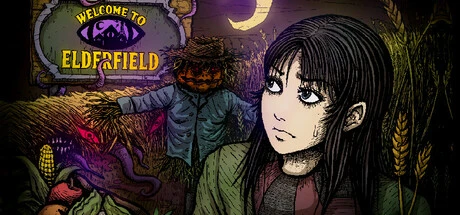
- Old Gods and alignment are the safest systems to connect with supernatural number symbolism.
- Farm, town, wilderness, and dungeon areas provide the main framework for organizing discoveries.
- Track clues by context so future updates can be added without rewriting the entire lore record.
Welcome to Elderfield Four Sacred Numbers Explained
The phrase Welcome to Elderfield four sacred numbers does not currently correspond to a confirmed list of four canonical numbers in the publicly described game information. The safest wiki approach is to treat it as a lore-tracking topic connected to Elderfield’s mysteries, Old Gods, strange events, and supernatural alignment systems.
Welcome to Elderfield combines a cozy farming routine with darker exploration, turn-based encounters, relationships, resource gathering, and Lovecraftian mysteries.
Do not present four number meanings as established lore unless the full game, an official update, or an in-game document confirms them. Keep theories separate from verified discoveries.
Confirmed Setting Connections
The four sacred numbers topic is best organized around the systems already associated with Elderfield’s supernatural side:
| Lore Context | Confirmed Role | Safe Interpretation |
|---|---|---|
| Old Gods | Supernatural entities tied to Elderfield’s mysteries | A likely context for symbolic clues |
| Alignment | Planned progression feature connected to the Old Gods | A possible system for tracking choices or influence |
| Strange events | Unusual developments beyond normal farm life | A source of recurring symbols or clues |
| Dungeon-style areas | Dangerous locations linked to exploration and combat | Possible places to investigate lore patterns |
| Daily life | Farming, fishing, relationships, and town activities | The ordinary world contrasted with supernatural forces |
The game’s setting supports careful investigation rather than immediate conclusions. A number found in a note, event, map, or dialogue line may be a clue, a gameplay instruction, a calendar reference, or simple environmental detail.
How to Read Number Clues
When a number appears during play, record the surrounding circumstances before assigning meaning. Note who mentioned it, where it appeared, what activity was active, and whether the number changed a puzzle, encounter, relationship, or alignment result.
This method prevents a single isolated detail from becoming an unsupported lore fact. It also makes the wiki easier to update when additional story content becomes available in 2026.
How to Separate Sacred Numbers From Fan Theory
This structure lets readers enjoy theories without confusing community interpretation with official Elderfield lore.
| Evidence Level | What It Means | Wiki Wording |
|---|---|---|
| Confirmed | Named or explained by the game or official developer material | “The game identifies…” |
| Suggested | Repeated pattern with supporting context, but no direct explanation | “This may connect to…” |
Four Useful Investigation Categories
These categories describe where a clue belongs, not what the number supposedly represents.
Textual Clues
Search dialogue, notes, reports, signs, and other written material for repeated numbers or unusual phrasing.
Environmental Clues
Record symbols, structures, room layouts, map details, and visual patterns connected to exploration.
System Clues
Check whether a number affects alignment, events, combat preparation, relationships, or another gameplay system.
Pattern Clues
Compare repeated appearances across different days, locations, characters, or supernatural encounters.
These categories help maintain a clean distinction between observation and interpretation. For example, finding the same number in a town notice and a dungeon room is an observation. Claiming that the number represents a particular Old God is an interpretation that requires additional evidence.
Record the clue first, describe the pattern second, and offer a theory last. This order keeps the article useful even if a later update changes the interpretation.
A Reliable Lore Note Format
Use a short record for every possible number clue:
- Number: Write the exact value as displayed.
- Source: Identify the dialogue, item, location, event, or visual object.
- Context: Explain what the player was doing when it appeared.
- Repeat appearances: List other known locations or scenes.
- Gameplay effect: Note whether it changes progression or only atmosphere.
This format is more valuable than a dramatic but unsupported list because it preserves the evidence needed for future comparison.
Where to Investigate Number Symbolism
Elderfield’s progression loop encourages players to move between ordinary community spaces and more dangerous supernatural locations. A number clue may be easier to understand when compared across these different areas.
| Location Type | What to Check | Why It Matters |
|---|---|---|
| Town | Residents, news, events, notices, and relationship conversations | Town content may explain local history or current disturbances |
| Farm | Signs of spreading tentacles, property changes, livestock, and daily routines | Supernatural effects may appear within familiar spaces |
| Wilderness | Foraging areas, fishing spots, encounters, and unusual discoveries | Repeated numbers may connect natural exploration to mysteries |
| Mining Areas | Resource paths, underground discoveries, and encounter conditions | Numbers may function as route, resource, or puzzle clues |
| The Mall | Rooms, combat encounters, objects, and hidden discoveries | Dungeon-style areas may reveal stronger supernatural patterns |
Investigation Route
Follow the same route more than once when possible. A daily mystery or strange news report may alter what appears in town or in the surrounding wilderness. Comparing visits is especially useful when trying to determine whether a number is fixed environmental decoration or part of an event sequence.
Start With the Town
Check residents, unusual reports, scheduled events, and written clues before leaving for exploration. Town information can provide context for what appears elsewhere.
Complete Essential Farm Work
Handle crops, livestock, and routine maintenance early. This preserves time for investigation without allowing the ordinary progression loop to fall behind.
Search Nearby Areas
Explore the wilderness, fishing locations, and foraging routes while recording numbers, symbols, and unusual encounters. Gather resources during the same trip.
Prepare for Dangerous Locations
Review equipment, resources, and buffs before entering mining areas or the mall. A lore investigation is not worth entering combat without suitable preparation.
Compare Repeated Evidence
Return to the same locations on different days or after related events. Update the clue record only when the repeated pattern is clear.
The route balances investigation with the broader game loop. Farming supplies resources, town visits develop relationships and reveal information, and exploration exposes the player to the supernatural systems surrounding Elderfield.
Use one evidence log for the entire playthrough. Cross-referencing town events, wilderness discoveries, and dungeon encounters is more reliable than keeping separate notes with no shared timeline.
Four Sacred Numbers Tracking Checklist
A strong lore page should help readers collect evidence without forcing a conclusion. Use the following checklist when investigating a possible sacred number or recurring numerical symbol.
Investigation Checklist:
- Record the exact number and the scene where it appears
- Identify whether the clue comes from dialogue, an item, a location, or an event
- Compare the number across town, farm, wilderness, mining areas, and the mall
- Check for links to Old Gods, alignment, mysteries, or supernatural encounters
Evidence Comparison Table
| Question | Strong Evidence | Weak Evidence |
|---|---|---|
| Does the number repeat? | It appears in multiple independent scenes | It appears once in background decoration |
| Is it explained? | A character, document, or event gives direct context | The number only feels symbolically important |
| Does it affect play? | It changes a puzzle, event, choice, or progression result | It has no visible gameplay effect |
| Is it supernatural? | It appears alongside Old Gods or alignment content | It appears during ordinary farming |
What Not to Add
Avoid assigning exact Old God identities, alignment values, puzzle solutions, rewards, or story outcomes without confirmation. The current public description establishes the setting and broad systems, but it does not provide a verified four-number chart.
Do not turn an unresolved pattern into a guaranteed secret. Lore articles should remain accurate for both new players and readers comparing information after future updates.
When new information becomes available, add the date, the exact source, and the in-game context. Replace speculation only after the new evidence explains the earlier clue.
Recommended Wiki Entry Structure
For each number eventually confirmed, use a consistent entry:
- Number or symbol
- First known appearance
- Locations and events
- Associated characters or Old Gods
- Gameplay relevance
- Spoiler level
- Source and confirmation date
This structure supports search-friendly pages while protecting readers from accidental spoilers or false certainty.
Practical Takeaways for Players
The supernatural content is designed to exist alongside daily life, not necessarily replace it.
A balanced schedule is the most useful approach:
- Maintain crops and livestock before traveling.
- Visit town regularly to speak with residents and monitor unusual developments.
- Gather materials during exploration instead of making unnecessary separate trips.
- Keep equipment and buffs ready before dangerous areas.
- Record mysteries immediately while the location and event context are still clear.
- Revisit suspicious locations after calendar-based events or strange reports.
- Separate confirmed discoveries from personal theories in notes and wiki edits.
| Daily Priority | Main Activity | Investigation Value |
|---|---|---|
| First | Farm maintenance | Establishes a stable routine and reveals property changes |
| Second | Town visit or nearby gathering | Provides social, event, and local mystery context |
| Third | Fishing, mining, or foraging | Collects resources while checking possible clues |
| Fourth | Combat preparation | Keeps dangerous investigations practical |
| Fifth | Mystery exploration | Tests whether a clue connects to a wider pattern |
Final Lore Position
At this stage, the phrase Welcome to Elderfield four sacred numbers should be treated as an investigation topic, not a confirmed four-part canon. The available setting supports theories involving Old Gods, alignment, supernatural events, and unusual locations, but a responsible wiki must wait for direct confirmation before naming the numbers or defining their meanings.
This cautious approach still gives players a useful path. Explore widely, compare repeated clues, maintain a clear evidence log, and update the theory as Elderfield’s full content becomes available in 2026.
If you discover a recurring number, document the trigger and surrounding dialogue before sharing a conclusion. Context is often more valuable than the number itself.
Q: Are the four sacred numbers officially confirmed in Welcome to Elderfield?
No verified public information currently establishes a canonical list of four sacred numbers.
Q: How should players investigate possible number clues?
Record the exact number, location, event, dialogue, and gameplay context. Then compare the clue across town, the farm, wilderness areas, mining locations, and the mall.
Q: Are the four numbers connected to the Old Gods?
Old Gods and alignment are appropriate areas to investigate without presenting a theory as fact.
Q: Should a wiki list theories about the sacred numbers?
Keep confirmed observations, suggested connections, and unresolved interpretations in separate sections.
Related Reading
Keep building your Elderfield knowledge with these guides: